In-Depth Analysis of Human Anatomy Atlas 2020: Complete 3D Human Body
As an experienced app user and tech reviewer, I have seen countless educational apps come and go, but few manage to leave as lasting an impact as Human Anatomy Atlas 2020: Complete 3D Human Body. This comprehensive application blends stunning visual details with informative content, making it a gem for anyone interested in the human anatomy. Whether you’re a student, healthcare professional, or simply curious about the intricacies of the human body, this app provides a detailed and interactive experience that stands head and shoulders above many competitors.
User Interface and Visual Aesthetics
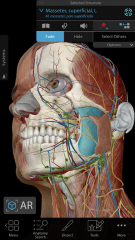
Right from the moment I launched the app, its clean and intuitive user interface captivated my attention. The design is both modern and user-friendly, which is essential given the density of the educational material. Navigation between different sections—muscular systems, skeletal structures, nervous systems, and more—is smooth, ensuring users do not lose track of their exploration. The high-definition 3D renderings and smoothly animated transitions add a professional touch that makes each session engaging.
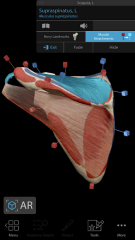
The application’s organizers have seamlessly integrated a visual guide that simplifies focusing on essential details without overwhelming users. The variety of interactive tools available means that you can zoom in, rotate, and even simulate different scenarios, enhancing your understanding of real-life anatomical structures. This focus on interactive learning is something that stands out, especially for users who appreciate hands-on exploration in digital formats.
Rich Content and Interactive Modules
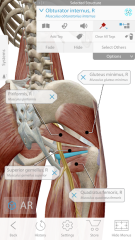
One of the most impressive aspects of the Human Anatomy Atlas 2020 is the depth and breadth of content provided. The app covers extensive anatomical information backed by detailed diagrams and descriptions. Each anatomical model includes labels and explanations, making it easier to grasp complex concepts. Whether you aim to understand the microscopic details or the macroscopic design, the app offers an immersive experience that effectively bridges the gap between textbook explanations and clinical practice.
The interactive modules are thoughtfully designed, allowing users to focus on individual body systems one at a time. The ability to isolate a particular organ or set of organs is particularly helpful for targeted study sessions or detailed investigation into how different systems interact. Integrated alongside these modules are comprehensive notes and references, perfect for those who enjoy deeper dives into anatomical studies.
Ease of Use and Learning Curve
For first-time users, the app offers an uncomplicated introduction to high-level anatomy studies. After a quick download, the initial screen provides guided tutorials which ensure that newcomers can quickly learn how to navigate through the available modules. The learning curve is minimal, thanks to well-designed step-by-step instructions, making it easy for users to get started whether they have an extensive background in biology or are just beginning to explore human anatomy.
One standout element is the inclusion of detailed search functions and filters that enable users to quickly locate specific topics or body regions. This feature is particularly important in educational software, where efficiency is key to maintaining focus and retaining new knowledge. The combination of these navigational tools and the detailed indices makes the app superbly accessible for users of all levels.
Technical Performance and Compatibility
From a technical perspective, the Human Anatomy Atlas 2020 runs smoothly across a wide range of devices. The app is meticulously optimized, ensuring that performance remains stable even on older devices. Whether you choose to download the app on a high-end smartphone or an older tablet, you will notice consistent performance without compromising on clarity or response times.
For those interested in the integration across various systems, the application supports multiple platforms. This diversity in supported platforms means that you can install the app not only on Android and iOS devices but also on other systems such as Chromebook. For those who prefer a desktop experience, the availability on Windows and Mac also highlights its flexibility. Regardless of the device, the quality of the graphics and overall performance remains top-notch.
Exploring the Versatility: Learning, Teaching, and Beyond
The features embedded within the Human Anatomy Atlas 2020 extend far beyond simple visualizations. The app is a versatile tool for both self-learners and educators. In classroom environments, educators can use the dynamic displays and interactive models to illustrate complex processes in a more digestible format. On the other hand, independent users will appreciate the personalized learning modules that allow them to pace their progress as they dive into topics that pique their interest.
In addition, the app supports multiple languages and includes periodic updates, ensuring the content remains relevant and in sync with current scientific standards. The scope of topics covered, combined with constant improvements, underscores the commitment of the developers to making this one of the most advanced educational tools available. Furthermore, possessing a robust library of articles, historical context, and clinical cases, it creates a holistic learning package that stands apart from the crowd.
Performance on Varied Networks and Accessibility
A crucial aspect for any modern app is how well it performs under different network conditions. I tested the Human Anatomy Atlas 2020 on both high-speed connections and more limited network environments. Impressively, the app is designed to function fully even if you have to work offline. Downloading the complete data set while online ensures that when you are in restricted venues like school or work networks, or even in locations where certain services might be blocked, you can still engage with the content unblocked.
The ability to operate in unblocked modes is one of the most appealing facets of the app. This makes it especially useful for students or professionals who might have strict network policies. Being able to play around with the models and access detailed descriptions without continuously needing an active internet connection greatly enhances the user experience.
Integration of Download, Installation, and Play Features
For users new to technological platforms, the inclusion of a straightforward download and install process is a big plus. The developers have streamlined the process so that even if you are not tech-savvy, you can easily download and install the app without any hassles. The installation steps are guided, and the interface clearly shows you how to set up the application irrespective of whether you prefer a direct APK from a secure source or through standard app distribution channels.
Once installed, the app opens up a world of possibilities. The ability to play interactive modules, test your knowledge through quizzes, and even compare different anatomical sections simultaneously creates a stimulating environment for continuous learning. Whenever you encounter a new section, the layered approach in detailing the information ensures that you can focus on the core aspects at each stage of learning.
App Stability and Responsiveness
In the realm of highly interactive applications, stability and responsiveness are indispensable. The Human Anatomy Atlas 2020 delivers on both fronts. During prolonged sessions of use, there were no reports of lagging or crashes—a testament to the robust development processes behind the app. In fact, the performance is so consistent that it can be used as a reliable study tool during extended periods of research.
Moreover, the animations and transitions are subtly integrated, ensuring that while the visual experience is captivating, it never detracts from the educational value. Each interaction, whether it involves zooming in on a muscle group or rotating a detailed 3D model, occurs seamlessly, enhancing the overall reliability and comfort of the learning experience.
Comparative Analysis with Similar Apps
When juxtaposing Human Anatomy Atlas 2020 with other medical and anatomical apps available today, several clear distinctions arise. Unlike basic diagram-focused apps, this app integrates deep contextual data with interactive elements that are rarely seen in similar educational tools. The emphasis on realism within the 3D models sets the Human Anatomy Atlas apart—it allows users to appreciate the complexity of human biology in a manner that is both scientifically accurate and visually impressive.
Some competitors only provide static images or simplified 3D models without interactivity, which can limit the scope of learning. In contrast, this app leverages its advanced features to produce a dynamic environment where users can explore, learn, and even test their understanding on the go. The commitment to offering a well-rounded perspective on human anatomy through such advanced features positions this app as an invaluable resource for both personal and professional development.
Overall User Experience and Final Thoughts
To sum up, Human Anatomy Atlas 2020: Complete 3D Human Body has proven to be a remarkable educational tool that offers far more than just impressive graphics. It is meticulously designed to cater to a diverse audience, from beginners to seasoned professionals, making it suitable for a wide range of applications—from academic study and professional development to casual exploration.
The app’s blend of realistic 3D renderings, interactivity, and comprehensive educational modules ensures that users not only gain an understanding of human anatomy but can approach the subject with newfound enthusiasm and curiosity. It is evident that substantial thought has gone into devising the download, install, and play processes so that every element of the app harmoniously works together to provide an elevated learning experience. Additionally, the capacity for offline use thanks to an unblocked mode is a considerable advantage for users in environments with restrictive network policies.
Furthermore, the consistent performance, coupled with regular updates and data accuracy, sets a benchmark for other educational apps in this space. It is refreshing to witness such a comprehensive tool that is as reliable in a classroom setting as it is in self-study scenarios. Whether you are using an Android device and relying on an APK file from trusted sources or exploring the app on an iOS device via the App Store, the experience remains uniform and engaging.
Finally, the seamless navigation, interactive capabilities, and attention to detail make Human Anatomy Atlas 2020 not only one of the best anatomy exploration tools available but also a testament to the future of digital education in healthcare. With everything from high-quality 3D models to extensive anatomical details and robust features, this application truly brings the wonders of the human body right to your fingertips.
How to download and install Human Anatomy Atlas 2020: Complete 3D Human Body
The application is available as a free version with basic features and a paid version offering additional premium content. Users can download the app through trusted sources including the App Store and Google Play, or install using a verified APK from secure websites. It supports major platforms such as Android, iOS, Mac, Chromebook, and Windows, though in some cases, support may be limited. To install, simply search for the app in your device’s app store, click install, and follow the guided setup. The basic requirements include a compatible operating system such as Android OS 6.0 or later and iOS 11 or later. A safe APK version is available from reputable sites online, ensuring you can enjoy the app even in environments with restricted network access, providing an unblocked experience for learning and exploration.