
Jul 29, 2026
Adam Mitchel
The end of Adobe Flash in 2020 closed an important chapter in browser gaming. For many players, Flash websites offered an easy way to enjoy hundreds of games without buying a console, installing large files, or owning a powerful computer.
Platforms such as Y8, GirlsGoGames, Shockwave, and official entertainment websites hosted everything from puzzle and dress-up titles to horror adventures and escape games. The variety made browser gaming accessible to players with very different interests.
One of the biggest advantages was simplicity. Many Flash games were designed for solo play and did not include voice chat, public messaging, or complicated account systems. Children could open a browser, choose a game, and start playing immediately.
Most titles also avoided the heavy monetization systems common in modern free-to-play games. There were no premium currencies constantly appearing on screen, fewer reasons to make accidental purchases, and less pressure to spend money to continue playing.
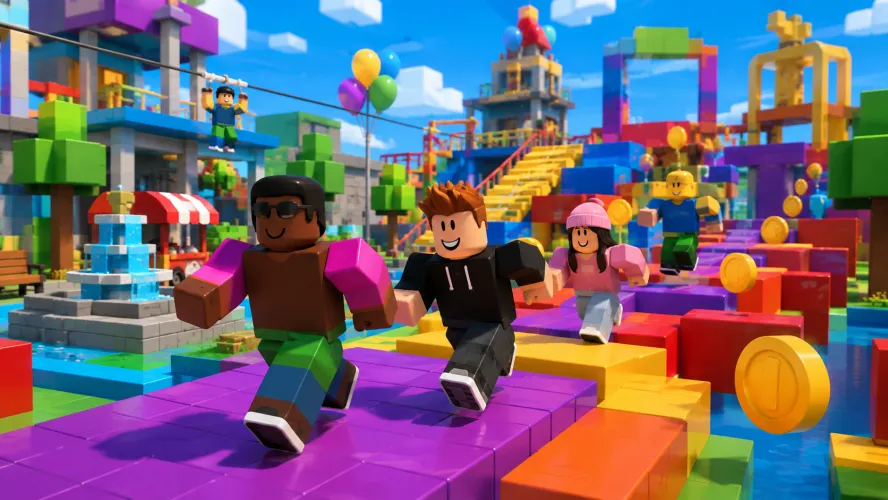
Roblox is often described as the modern equivalent of a Flash game library because it offers a large collection of user-created experiences. However, the comparison is limited. Roblox is built around online accounts, social interaction, and in-game purchases, creating different safety and spending concerns for younger users.
Modern platforms provide more advanced games and stronger creative tools, but they do not fully reproduce the straightforward nature of classic browser gaming. Flash websites offered a space where players could explore short, unusual, and often experimental games with very few barriers.
Community preservation projects have kept some Flash titles available, but the original ecosystem is unlikely to return in the same form. Its combination of accessibility, variety, and low-pressure entertainment remains difficult for today’s gaming platforms to replace.